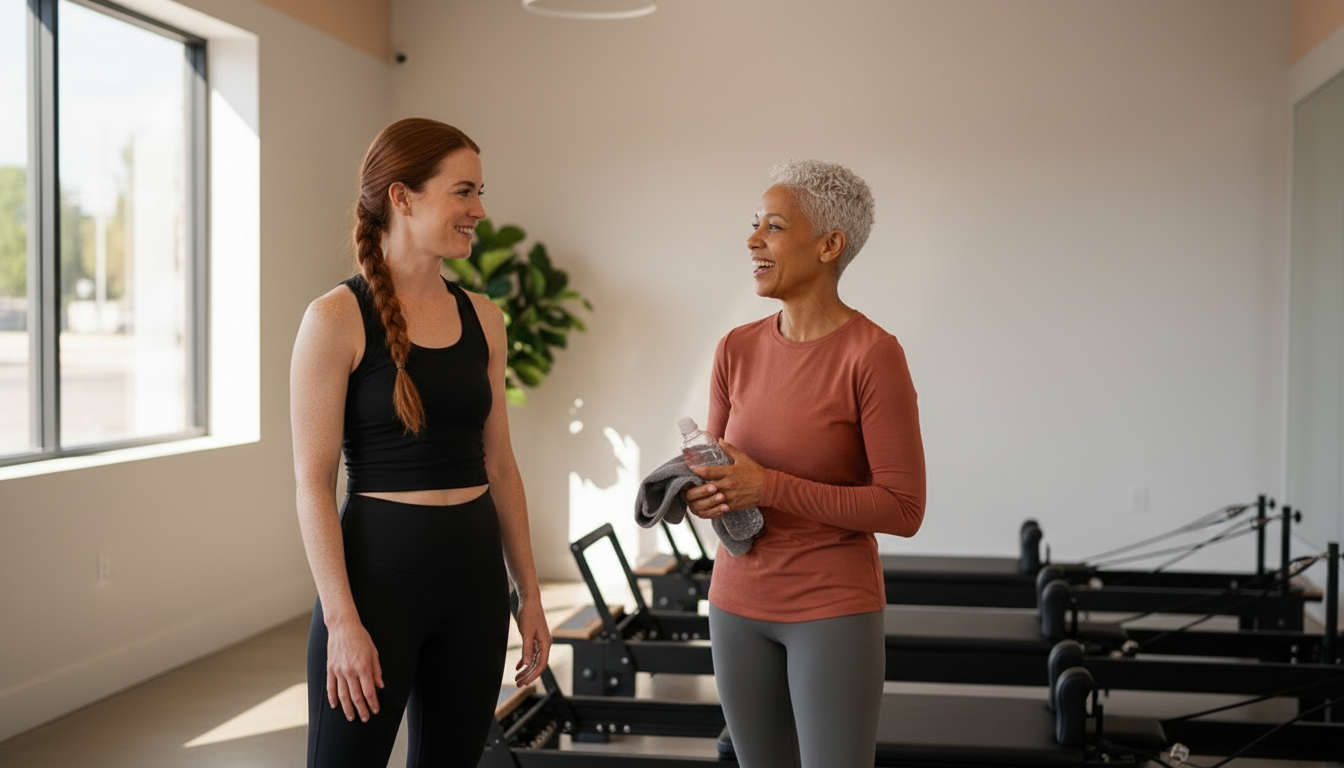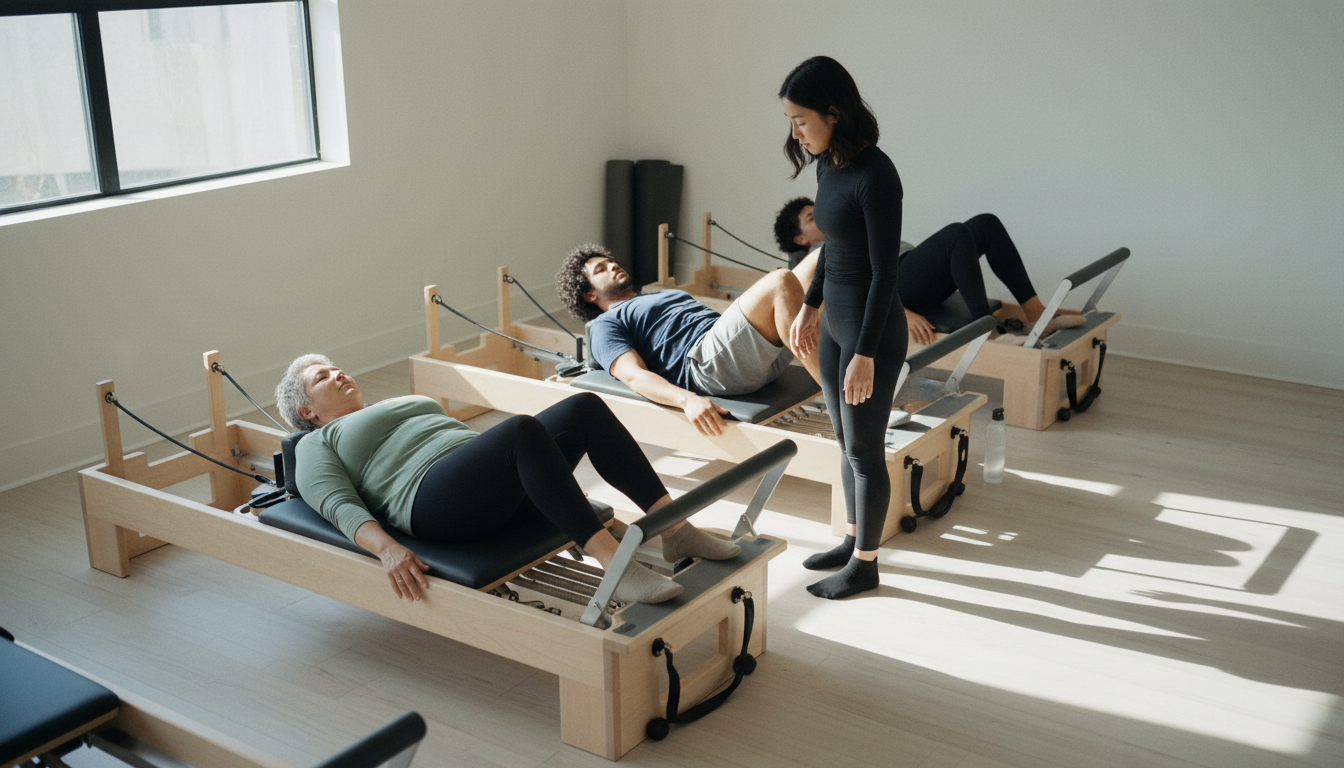


Good training covers your values, member experience, procedures, safety, and communication, tailored to what instructors, front desk staff, and managers each handle day to day.
New employees learn fastest when they observe, practice under supervision, and get feedback before working alone. A clear first 30 days builds confidence and protects your standards.
Once roles are clear, a connected schedule, simple substitutions, and payroll based on real class data take admin off your plate. bsport keeps all of this in one place, and instructors can see their own schedules and pay.
A new instructor can know exactly how to teach a great class and still feel lost in their first week at your studio. They don't yet know how you greet members, what happens when someone arrives late, or who to call when a strap breaks five minutes before class. Training fitness studio employees well means teaching all of that: the role itself, and the way your studio does things.
Effective staff training combines role-specific skills with your values, service standards, systems, and safety procedures. This guide covers what to include, how to prepare new employees before their first shift, how to support them through their first 30 days, how training differs by role, and how to keep developing your team as the studio grows.
One note before we start: many studios work with both employees and independent contractors. The rules for each differ, and they vary by location, so check what applies to your team before you formalize any training requirements.
What should fitness studio staff training include?
Staff training teaches people to do their role safely, consistently, and in line with your studio's values.
Every training plan should cover:
- Your mission, values, and the member experience you want to create
- The responsibilities and boundaries of each role
- Class, booking, check-in, and member account procedures
- Communication standards and who to escalate issues to
- Opening, closing, cleaning, and equipment responsibilities
- Safety, emergency, injury, and incident-reporting procedures
- Scheduling, availability, substitutions, and payroll processes
- Privacy and appropriate access to member information
Written policies are a starting point. People learn the job by watching it done, practicing realistic scenarios, and doing it under supervision. Ask new employees to show they can handle essential tasks before you expect them to do those tasks alone.
Confirm the employment, safeguarding, certification, and first-aid requirements that apply where you operate, and build them into your plan.
How to onboard new fitness studio employees
Good onboarding builds confidence step by step, instead of trying to cover every policy on day one.
Prepare before the first shift
- Confirm the role, responsibilities, schedule, pay structure, reporting line, and early expectations in writing
- Check any qualifications, certifications, or documents the role requires
- Set up system access with permissions that match the role
- Assign an experienced colleague who can answer questions and help in practice
Send a short welcome pack before day one. Include:
- Your values and service standards
- Relevant policies and procedures
- Dress, attendance, lateness, and substitution expectations
- Safety and emergency information
- Communication channels and key contacts
- A schedule for the first week
A consistent onboarding process means every manager covers the same essentials with every new hire, so nothing depends on who happens to be on shift.
Build confidence during the first week
Start with people and context. Introduce the new employee to the team and explain who looks after which part of the studio. Then walk through the full member journey, from booking and arrival to the end of class and follow-up.
Next, show them the systems and procedures they'll use in their role, and let them practice. Shadow shifts, supervised classes, practice check-ins, and role play all work. Useful scenarios to rehearse:
- A member arriving late
- A booking or payment question
- A last-minute instructor absence
- A frustrated or anxious member
- An injury or emergency
End the week with a two-way check-in: what feels clear, what needs more practice, and what support they need from you.
Move from supervised work to independence
- Move gradually from observation to supervised practice to independent work
- Hold short check-ins throughout the first 30 days, instead of waiting for the end of a probation period
- Use a practical checklist to confirm the employee can complete essential tasks consistently
- Give prompt, specific feedback tied to an agreed standard or something you observed
- Ask what was unclear or missing from their onboarding, and use the answer to improve the process for your next hire
Tailor training to each studio role
Everyone should understand the full member journey, but detailed training should match what each role handles most often.
Fitness studio instructors
Instructors shape how members feel about your studio more than anyone else. Their training should cover:
- Your class structure, cueing style, atmosphere, and how you welcome members
- How to adapt for different abilities, injuries, and needs within the limits of their qualifications
- Equipment setup, room preparation, attendance, class notes, and emergency protocols
- How to check schedules, update availability, and request or accept substitutions
Class observations and constructive feedback help new instructors meet your standards while keeping their own teaching style. If you're still building your team, our guide on how to recruit and retain studio teachers covers hiring and keeping great instructors.
Front desk employees and studio managers
Front desk staff handle greetings, check-in, bookings, waitlists, member questions, account updates, and opening or closing procedures. Set clear limits on refunds, membership exceptions, and complaints, and make it obvious which issues go to a manager.
Managers need training on coordinating schedules, supporting employees, handling escalations, reviewing payroll information, and keeping standards consistent across shifts or locations.
For both roles, access to member, financial, and staff information should match the responsibilities of the job. System knowledge is only part of it: calm, considerate communication with members matters just as much.
Turn onboarding into ongoing team development
Onboarding sets expectations. Ongoing coaching keeps standards from drifting over time.
- Hold regular one-to-one conversations
- Run peer observations and team workshops
- Offer refresher training whenever policies or systems change
- Support development through specialist certifications, workshops, mentoring, or leadership responsibilities
Make progression visible. An instructor might become a lead instructor, and a front desk associate might move into a studio manager role. Clear routes give people a reason to grow with you.
Recognize reliability, improvement, teamwork, initiative, and member care, alongside revenue and attendance. Performance data is a useful starting point for a conversation, but it rarely tells the whole story of someone's contribution. For more ideas, read our guide on how to reward and engage fitness studio staff.
How fitness studio software supports day-to-day team coordination
Once roles and expectations are clear, software can take care of the admin your team handles every day.
Look for:
- One central schedule for classes, appointments, and employees
- Simple instructor substitutions and class cover
- Access to studio information that matches each role
- Clear records of who taught each class
- Payroll based on actual class and schedule data
- Instructors who can see their own schedules, substitutions, and pay
- Central oversight across multiple locations
- Responsive local and multilingual support
bsport's team and payroll tools connect schedules, instructor substitutions, completed class records, and payroll information. Instructors see their schedules, substitutions, and pay details in one place, and every class and change is tracked, so everything you need for payroll is ready when the period ends.
Because these tools sit in the same platform as your class schedule, bookings, memberships, and reporting, team information doesn't need to be pieced together from separate systems. You stay in control of how you run your team, and bsport handles the record-keeping.
“Our instructors love the app, it's clear, easy to use, and perfectly matches our studio design.”
— Shardelle, Founder of The Pole Lounge
See how these workflows come together in one place. Explore bsport's fitness studio software to learn how connected schedules, instructor substitutions, class records, and payroll support clearer day-to-day team coordination.
Give your team the structure to do their best work
Effective training combines clear expectations, hands-on practice, constructive feedback, and continued development. A repeatable onboarding framework helps every new hire understand their responsibilities, while leaving room for your studio's character to come through.
With those foundations in place, connected schedules, substitutions, and payroll records make your team's day-to-day work easier to coordinate, so you can spend more time on coaching and community and less on admin.
Ready to see how bsport would fit your studio's day-to-day team operations? Book a demo for a tailored look at scheduling, instructor substitutions, class records, and payroll.


FAQ Key things to know
What are gym employees called?
Common titles include fitness instructor, coach, personal trainer, studio manager, operations manager, and member experience associate. At the front desk, you'll see receptionist, front desk associate, or studio host. Boutique studios often adapt titles to fit their modality and brand. What matters most is that each role's responsibilities are clearly defined.

What is the difference between a gym and a fitness studio?
Gyms generally offer a broad range of equipment and open access. Fitness studios usually specialize in one modality or a class-led experience, such as Pilates, cycling, or yoga. Studio employees tend to interact with members more closely and more often, so their training needs to cover your teaching style, member experience, and community expectations alongside the practical tasks.
How should staff training work across multiple studio locations?
Keep core brand, member service, teaching, and safety standards the same at every location. Train location-specific procedures, facilities, equipment, and access separately. Shared onboarding materials and competency checklists help every manager apply the same standards, while local managers keep room to adapt how they deliver the training.