

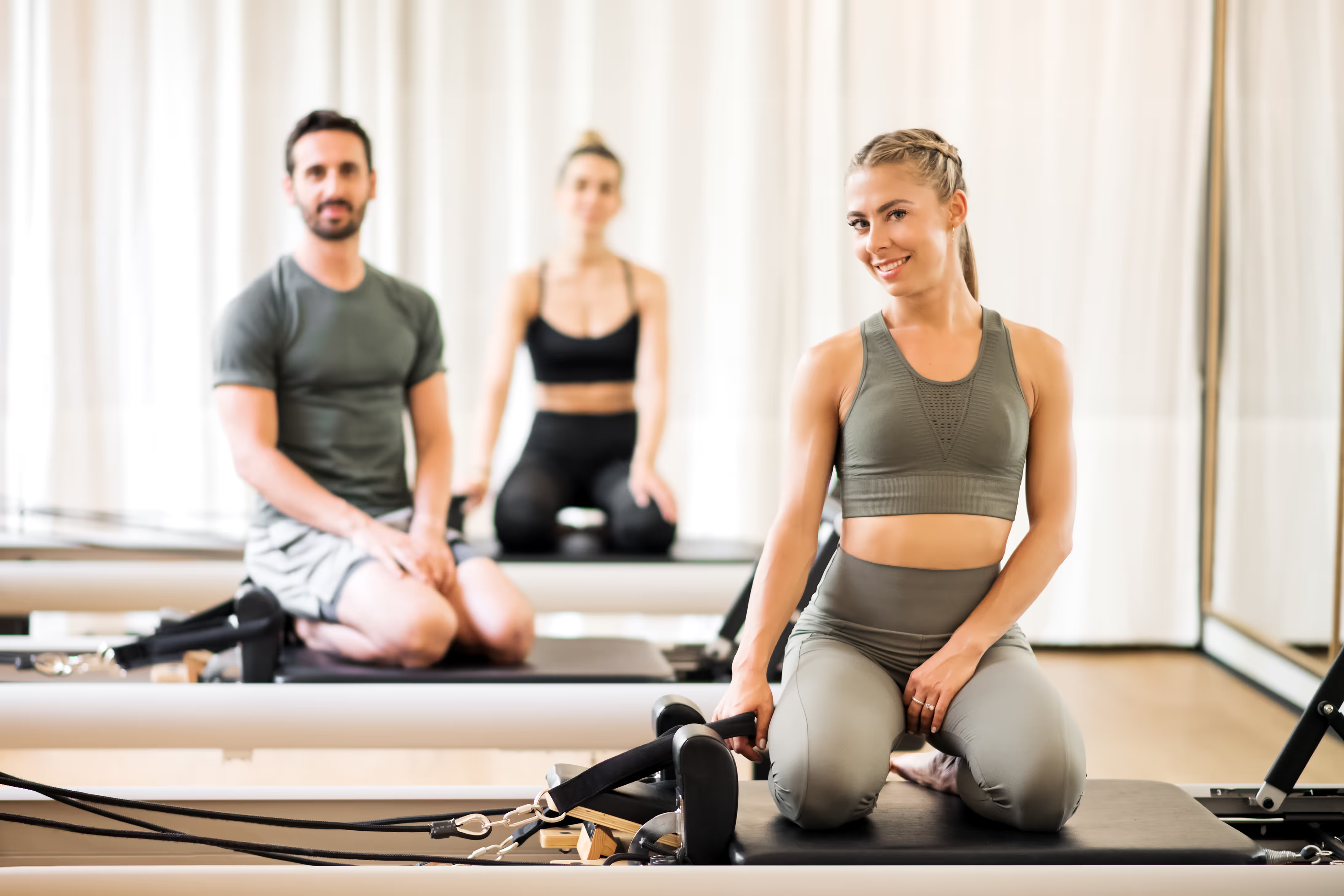
Opening a Reformer Pilates Studio is an exciting venture… but also one filled with strategic decisions, starting with equipment selection. ****When it comes to choosing Reformers, the range of options is vast, prices can be high, and differences between brands are not always obvious at first glance. Studio owners face a variety of challenges: optimising space, managing budgets, selecting the right equipment, assembly and maintenance.
So how can you navigate all this when launching your business and aiming to make the right choices from the outset? What kind of budget should you plan for? What features should you prioritise based on your space, clientele, and teaching style? And most importantly: how can you avoid costly mistakes in the long run?
In this article, we spoke with the French representatives of the two leading brands — Balanced Body via Sissel and Merrithew — to give you practical and expert insight. You’ll find their advice on how to choose your machines wisely, their recommendations regarding safety, maintenance and budgeting, as well as the major trends to consider if you want to open a competitive, sustainable studio that reflects your vision.
What should studios prioritise when selecting their machines?
Choosing the right Reformers means meeting several specific needs, both pedagogical and operational. It’s not just about selecting a trendy or aesthetically pleasing model, but rather identifying the equipment that best fits the reality of your studio: available space, clientele type, teaching style, frequency of use, budget and growth plans. This decision will directly impact session quality, client experience, and instructors’ working conditions.
Modularity and versatility
In major French cities such as Paris, Bordeaux or Marseille, where space is limited and expensive, studio owners tend to favour compact, high-performance equipment that maximises the use of available space. As Merrithew points out, “Studio owners in urban environments often turn to compact and efficient equipment that maximises space effectiveness.”
Moreover, it’s essential for the machines to support a wide variety of exercises and adapt to all body types and experience levels. Sissel stresses the importance of “choosing machines that allow multiple types of exercises (e.g. Reformers with towers or additional accessories)”.
This versatility also extends to design: “A wide range of equipment helps blend seamlessly into the studio’s atmosphere,” thereby contributing to an environment that is both functional and welcoming.
Reliability and safety
Robustness and compliance with safety standards are critical to ensure long-term, worry-free use. Sissel insists: “The machines must be sturdy, easy to maintain and made with high-quality materials, complying with the strictest standards of the movement community.”
Durable machines ensure continuity of service and offer optimal comfort — a key factor in building client loyalty.
Support and guidance
Great equipment should come with great support. Sissel offers a space planning tool, similar to that of Merrithew, to help optimise studio layout. Instructional videos are available to guide users through machine assembly, and the after-sales team can be reached by phone or video call for technical support.
Professional assembly by certified partners is also available upon request. Merrithew also provides financial support, including an ROI analysis tool: this helps estimate how many weekly sessions are needed to recover the cost of 4 to 6 Reformers — enabling you to secure your investment and plan controlled growth.
What budget should you expect to equip a studio?
The cost of equipping a Pilates studio depends on many factors: space size, location, choice of equipment and accessories, but also training and operational costs. As Sissel points out, “The budget will depend not only on the equipment but also on training, teacher salaries, room layout, and even the management software used.”
The key is to assess your needs clearly so as not to underestimate the total investment.
To give you an idea: Merrithew estimates that for a mid-sized studio equipped with 4 to 6 Reformers, the equipment cost ranges between €14,000 and €21,000 excl. VAT.
You’ll also need to factor in setup costs (flooring, mirrors, lighting) and costs related to instructor training and insurance. The total investment can therefore reach between €24,500 and €35,500 excl. VAT. In major cities like Paris, where some studios have up to 15 Reformers, technical and logistical needs will of course be higher.
What are the current trends in Pilates equipment?
As future entrepreneurs, it’s essential to anticipate upcoming trends in the discipline so you can invest wisely. We asked leading industry players for their views — here are the key trends that are emerging:
The holistic movement reaches Pilates
Merrithew observes: “The collaboration between physiotherapists, sports professionals and wellness experts is driving demand for more versatile and specialised equipment.” These professionals seek tools that support rehab, performance, and holistic wellbeing.
Blending disciplines
The rise of hybrid classes combining Pilates, yoga or rehab is a notable trend. This creates growing demand for equipment that can accommodate varied modalities. Merrithew notes: “Pilates equipment is increasingly integrated into fusion formats and multi-disciplinary sessions,” illustrating the move toward greater versatility.
Modularity, compactness and incremental investment
Urban studios, constrained by limited space, favour compact and modular equipment. This trend supports controlled growth, allowing studios to invest step by step by adding accessories that expand exercise options without needing to purchase more machines.
Merrithew explains that “Studios are making smart investments that evolve with their business,” adding that “this incremental investment approach maximises equipment use, agility and programming innovation.”
Sissel similarly highlights “adding options or accessories that expand the exercise range without needing to acquire new machines,” and that “the compact format is particularly popular with individuals due to its small footprint.”
Aesthetic appeal and warm design
Sissel notes that the visual design of equipment plays a major role in creating a professional and welcoming environment. Wood materials and clean, minimalist design are increasingly preferred, creating harmonious spaces that enhance practitioners’ wellbeing.
This reflects a desire to combine functionality with a warm, inviting atmosphere.
What specific safety and ergonomics recommendations should be followed?
Both manufacturers emphasise essential criteria to ensure safety and comfort in Pilates studios:
- Adjustable settings: Opt for equipment offering multiple adjustment options (gearbars, footbars, shoulder rests, etc.) to accommodate all body types, experience levels and specific needs.
- Sufficient space: Ensure there’s adequate space around machines to allow for safe movement and instructor circulation. Sissel recommends around 65 cm of clearance for a smooth and safe working environment.
- Medical standards: If the machines will be used for rehab or medical purposes, always check that they comply with European CE standards, which guarantee quality and safety.
How to ensure the longevity of your equipment?
To ensure the long-term performance of your Pilates equipment and provide an optimal client experience, three key practices are essential:
- Train your team: Make sure all users and instructors are properly trained to use and adjust the equipment correctly. This prevents damage and reduces the risk of injury during sessions.
- Schedule regular inspections: Perform frequent checks on key components (springs, fixings, ropes, rails, etc.) to detect wear or faults early, prevent breakdowns, and extend equipment lifespan.
- Clean after every session: Clean with gentle, appropriate products, avoiding harsh chemicals and abrasive cloths that can damage surfaces. Regular cleaning maintains hygiene, comfort and a professional environment.
Expertise at the service of your Pilates studio
Opening a Pilates studio is an exciting journey — but it also requires mastering key elements: optimising your space, managing your budget wisely, choosing reliable and suitable equipment, and ensuring proper setup and maintenance.
By relying on the recognised expertise of Sissel and Merrithew, you lay a solid foundation to deliver a high-quality experience for your clients and secure your investment for the long term.
To go further, book an appointment with either brand’s team — they’ll help you choose the equipment that best suits your needs, space, and vision.
And for a smooth and efficient day-to-day management, why not complement your launch with the market-leading Pilates studio software. Your studio deserves the best — right from day one.


Other blog posts
