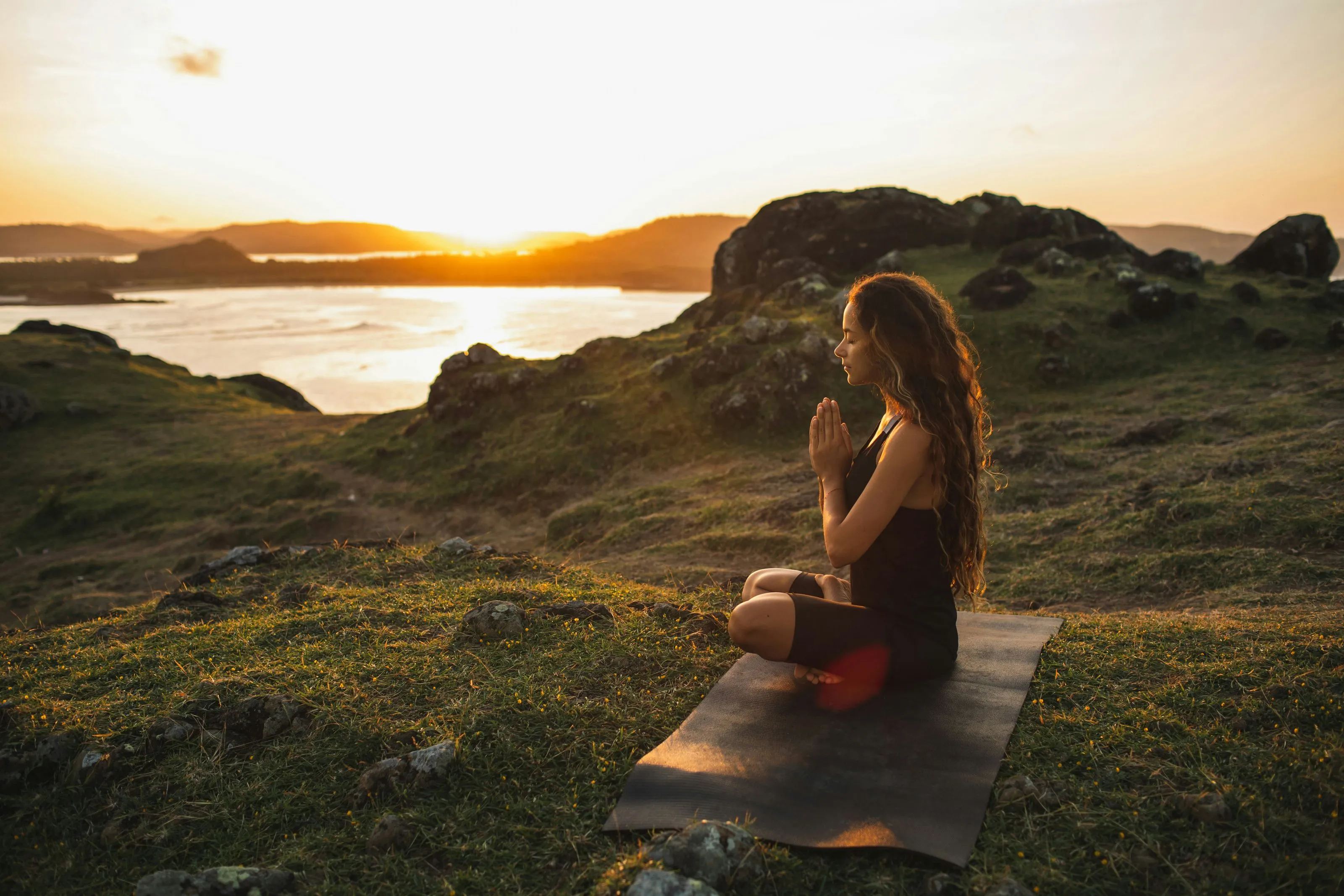

Yoga: An introduction to practice, benefits, and getting started
Yoga is a practice that is thousands of years old, combining movement, breathing, and mindfulness. It originally comes from India, where it was part of philosophical and spiritual traditions for many centuries. Today, yoga is practiced all over the world.
Depending on the style and teaching approach, the focus can be more on physical movement or more on relaxation, breathing, and meditation.
This guide will help you get oriented: you’ll learn about the benefits of yoga, which styles are suitable for beginners, and what to keep in mind during your first classes.
Benefits of yoga: what it can do for body and well-being
Yoga can be many things: a challenging workout, a gentle stretch, a meditative flow, or a quiet moment of grounding in everyday life. Some people use yoga to become more flexible or stay physically active, while others value the calm, conscious breathing, and mental balance it brings.
Depending on the style and personal focus, the practice can look very different. Although results vary from person to person, most practitioners report the following benefits after regular practice.
Physical effects of yoga
Improved flexibility and muscle strength:
Many yoga exercises combine gentle stretching with stabilizing movements. This activates muscles, mobilizes joints, and gradually improves flexibility. Especially for people who sit a lot or experience one-sided strain, yoga can provide a helpful physical balance.
Reduced tension, especially in the back and neck:
Slow movements and conscious breathing can help reduce muscular tension. Many people report a more relaxed neck and back after regular practice. Yoga may even help with stress-related headaches.
Improved posture and stability:
Many poses strengthen the core muscles and improve body awareness, which can lead to better posture and more controlled movement overall.
Support for the cardiovascular system:
Depending on the style, yoga can also be a moderately active form of exercise that supports circulation, coordination, and overall well-being. Because yoga reduces stress, it can also positively influence heart health.
Yoga not only helps with discomfort such as back pain or tension, but also gently supports overall health. In the long term, it can help you stay mobile and vital, and may also help prevent stress-related or lifestyle-related conditions.
Mental effects of yoga
Stress reduction and relaxation:
Yoga calms the nervous system, lowers stress levels, and gives you a moment of rest where you can simply breathe.
Improved concentration:
By focusing on breathing, posture, and movement, you train attention and mental clarity.
Better emotional regulation:
Regular practice helps you become more emotionally stable, respond more calmly to challenges, and better understand and regulate your emotions.
Improved sleep:
Yoga can reduce tension and relax the body, making it easier to fall asleep and improving sleep quality.
Yoga is not a uniform practice. Its effects depend on how and why you practice it. Because yoga exists in so many different forms, it’s worth exploring the different styles and entry points.
Yoga styles overview: finding your way in
There is no single “beginner style” in yoga. Most yoga styles can be adapted to different levels. What matters most is pace, guidance, and individual needs. Still, styles differ in structure, intensity, and focus.
What suits you best depends on whether you are looking for more movement, relaxation, or mental balance.
Hatha Yoga
Hatha yoga refers to traditional yoga practices combining postures (asanas), breathing exercises, and short relaxation phases. The pace is usually moderate, with poses introduced step by step.
Many modern yoga styles are based on Hatha yoga, making it a common introduction to physical yoga practice.
Vinyasa Yoga
Vinyasa yoga is a dynamic style where movements flow continuously from one pose to the next. The sequence is often linked to the breath, creating a continuous movement flow.
It is more physically active than many traditional styles and focuses on strength, coordination, and flow.
Yin Yoga
Yin yoga is a slow practice where poses are held for several minutes. It focuses on passive stretching and deeper connective tissues such as fascia and joints.
Unlike more dynamic styles, the emphasis is less on muscular effort and more on relaxation and long-term mobility.
Restorative Yoga
Restorative yoga is a highly gentle and restorative practice where poses are supported by props such as cushions, blankets, or blocks.
The goal is not activation but relaxation, relief, and recovery. It is often used alongside more intense training or during stressful periods.
The differences between yoga styles mainly lie in pace, intensity, and purpose. The best choice depends less on experience and more on personal expectations and physical needs.
Key basics for yoga beginners
Regardless of style, some principles apply to almost all forms of yoga. One of the most important is breathing.
Breathing
Breathing is the foundation of yoga practice. It connects body and mind and helps you stay present. Calm belly breathing relaxes the body and supports focus.
During practice, breath and movement often work together to release tension. Beginners sometimes hold their breath in challenging positions, but it is important to breathe steadily and consciously.
Over time, breathing becomes a powerful tool to support your practice.
Mindfulness
Yoga is not a competition. It is not about performing perfectly, but about feeling connected to your own body.
Every body is different, and progress is individual. Listen to your limits and move in a way that feels stable and comfortable.
Mindfulness means observing how your body responds and how your body awareness changes over time. This helps prevent overexertion and strengthens self-awareness.
Adjustments
Many yoga poses can be adapted to different levels of flexibility and ability. Using props or easier variations is not a sign of weakness—it helps you practice safely and effectively.
Health conditions, injuries, or limitations should always be considered. When in doubt, consult medical professionals or experienced teachers.
Regularity
Even short, regular sessions can have a big impact. Practicing a few times per week is often more effective than occasional long sessions.
Routine helps the body adapt, strengthens muscles, and gradually improves flexibility. It also brings more energy and reduces stress.
Patience
Progress takes time. Some poses may feel difficult at first, but with consistent practice, strength, balance, and flexibility improve gradually.
Patience helps you avoid frustration and appreciate your development. Yoga is a process that builds both physical and mental stability.
Tips for your first yoga class
Your first yoga class often comes with curiosity and uncertainty. Many questions are quickly resolved through practice, but a few tips can help you prepare.
Choose a beginner class
Beginner classes explain the basics clearly and at a comfortable pace, giving you time to learn poses and develop body awareness.
Wear comfortable, stretchy clothing
You usually don’t need special equipment beyond a mat, but comfortable clothing that allows movement makes practice much easier.
Avoid heavy meals before class
Try not to eat a heavy meal within two hours before class. Light snacks like fruit or nuts are fine. Drink enough water, but not too much right before class.
Arrive early
Arriving a bit early helps you settle in, prepare your mat, and mentally arrive in the practice.
Don’t compare yourself to others
Every body is different. Yoga is not about performance, but about your personal experience. Focus on yourself and your own progress.
Use props when needed
Blocks, straps, and cushions are not a sign of weakness—they help you perform poses safely and correctly and prevent strain.
Proper breathing and clear guidance from qualified teachers help you learn safely. Over time, trust in your body grows, and movements feel more natural. Stay open and give yourself time to grow into the practice.
What equipment do you need for yoga?
Yoga requires very little equipment. Many poses can be done without any accessories, but some tools can improve comfort and support individual needs.
- Yoga mat: Provides stability, cushioning, and prevents slipping
- Yoga block: Helps adjust poses and improve alignment
- Yoga strap: Supports stretching and reaching positions
- Comfortable clothing: Allows freedom of movement
- Additional props: Cushions or blankets for restorative practice
For beginners, a mat is usually enough. Over time, you can explore which tools work best for you.
Your start in yoga: what really matters
You may just be starting out or still wondering if yoga is right for you. In both cases: nothing needs to be forced.
Take your time exploring different styles and finding your own approach. The best start comes with simple exercises, patience, and regular practice.
Listen to your body, respect your limits, and enjoy yoga as a path toward balance, well-being, and inner calm.