
Relying solely on standard class packs and memberships often creates a revenue ceiling based on floor space and hours in the day. By packaging specialized expertise into high-value, outcome-driven workshops, studios can justify higher price points and collect upfront payments, creating a predictable and diversified cash flow.
To justify premium pricing, a workshop must move beyond "general fitness" and focus on a definite transformation, such as post-natal recovery or reformer foundations. When a program promises a clear result or solves a specific member frustration, it transitions from an optional add-on to a high-priority investment in the client's personal progress.
Workshops do more than generate short-term revenue; they deepen the member’s connection to the studio through high-touch coaching and visible skill progression. A member who gains confidence in a technique clinic or beginner series is significantly more likely to transition into a consistent, long-term class routine than one who attends sporadically.
Why Pilates workshops can boost revenue per member without adding classes
Boutique studios generally offer value beyond simply providing classes. Your instructors bring expertise in movement, anatomy, safety, progression, and coaching for different client needs. While that’s a great selling point, your timetable only allows for so many classes, with little room for growth.
A pilates workshop lets you showcase that expertise and package it in a more focused offer that often justifies a higher price point.
Members are often willing to pay more for a program designed around a specific goal, such as:
- learning reformer foundations
- improving technique
- building post-natal confidence
- developing better balance and control
Regular classes address members’ need for flexibility and variety, but workshops are built for depth. They give you more room to teach progressively, support participants closely, and deliver a stronger sense of progress.
Creating predictable cash flow with upfront-payment offers
Workshops can also improve cash flow because their sign-up format lets you collect payment before the first session begins. That gives you more visibility into expected revenue and makes planning easier.
For studios, this creates a healthier mix. Memberships stay at the center of the business, while workshops add specialized revenue without forcing you to expand the standard timetable. You’re adding a higher-value format alongside your main operation, not replacing the foundation.
What makes a Pilates workshop worth paying more for
To justify a higher price point, your workshop needs to feel relevant from the start. That usually means building it around the goals, frustrations, and questions your clients already have.
In that vein, common Pilates workshop concepts include:
- Beginner reformer series: for members who want a supported start before joining broader classes
- Post-natal Pilates program: for clients who need a more specific, guided approach
- Back-care workshop: for people looking to improve stability, control, and daily comfort
- Technique clinic: for members who want to refine form, precision, and understanding
- Seasonal intensive: for clients who want a focused reset or short-term challenge
The best concepts align your instructors’ strengths with clear member needs, and that’s what makes premium pricing workable.
Positioning workshops around progress, outcomes, and transformation
Simply labeling the workshop as something “premium” is no guarantee that the offer will resonate. It’s only when the value is obvious that people will weigh up whether they’re prepared to pay extra.
That means your workshop should be positioned around a definite result. Will participants build confidence on the reformer? Improve strength and stability? Learn classic exercises more effectively?
The clearer the outcome, the easier it is for clients to see the value. A workshop with no specific promise will be dismissed as something optional, something to revisit later (i.e., never).
How to package and price premium Pilates workshops for profitability
Good packaging makes a workshop easier to sell and easier to deliver. In fact, workshops can, and should, be sold differently from memberships and class packs. If you treat them like standard classes, you weaken the sense of commitment and make the offer harder to manage.
A premium workshop typically has:
- a clear start and end date
- a defined goal or outcome
- a fixed number of participants
- upfront payment
A simple and intentional structure supports both profitability and the client experience. It gives members a reason to commit and gives instructors room to teach with progression in mind.
In many cases, premium value comes less from extras and more from clarity and coaching quality. Build that into a well-designed structure by focusing on:
- A fixed duration: Four to eight weeks is often enough for meaningful progress without feeling overwhelming
- Limited spots: Smaller groups protect coaching quality and make the offer feel more premium
- A named outcome: Members should understand exactly what they’re working toward
- A lead instructor: Consistency helps build trust and keeps the experience focused
- Light added value: Follow-up tips, simple homework, or guided mat practice can strengthen the experience without overcomplicating it
Running in-studio Pilates workshops without disrupting your core timetable
Workshops often need different booking rules, separate payment logic, and dedicated equipment blocks. Managing all of that manually can is a lot to ask, and you may feel that the extra revenue is not worth it.
bsport tools help studios maintain control when running specialized programs alongside recurring classes. You can manage schedules more clearly, avoid double bookings, and protect equipment or room availability without disrupting the wider member experience.
That operational consistency matters. Your premium offer suddenly loses its luster if scheduling and delivery don’t run smoothly.
Managing studio capacity for specialized programs
It’s also important to be sure the workshops fit your schedule and studio capacity. For example, if you run reformer-based programming, you need enough equipment, enough room, and the right time slot to make the program work. Every spot matters.
That’s why workshop planning should include a capacity check. Look at your busiest times, your lower-demand windows, and your instructor availability. The goal is to create room for premium programming without putting pressure on your regular members.
Run workshops without the spreadsheet juggling. Separate payment logic, dedicated equipment blocks, and clear scheduling rules, all without disrupting your regular timetable.
Using workshops to deepen retention, not just generate short-term revenue
Workshops can do more than bring in upfront revenue. They can also help retention by giving members a stronger sense of progress and routine.
When clients commit to a structured program over several weeks, they’re often more likely to attend consistently and stay engaged. They can see how one session builds on the last, which makes their practice feel more purposeful.
This can have a valuable knock-on effect. A member who completes a reformer foundation course may feel more confident booking ongoing classes. A client who joins a back-care program may stay connected because they associate your studio with meaningful results.
Creating stronger relationships through focused, high-touch experiences
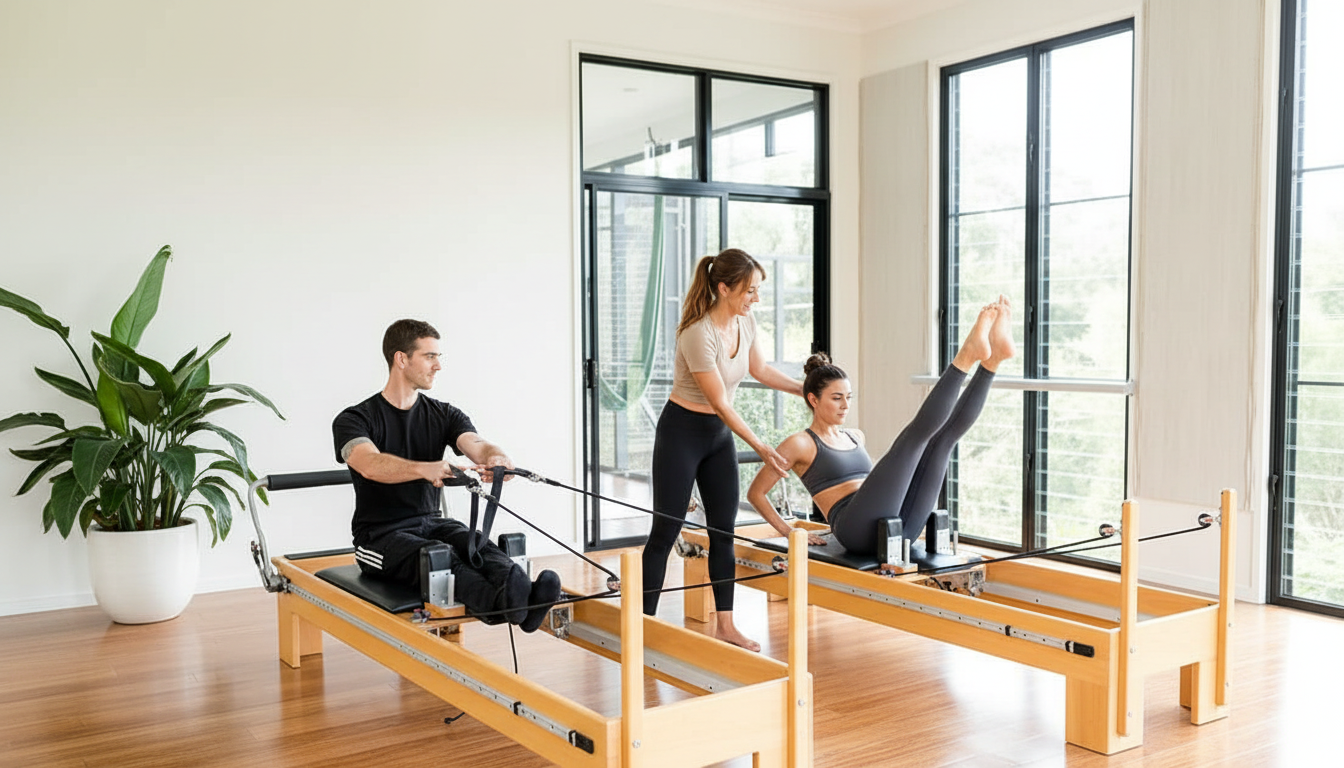
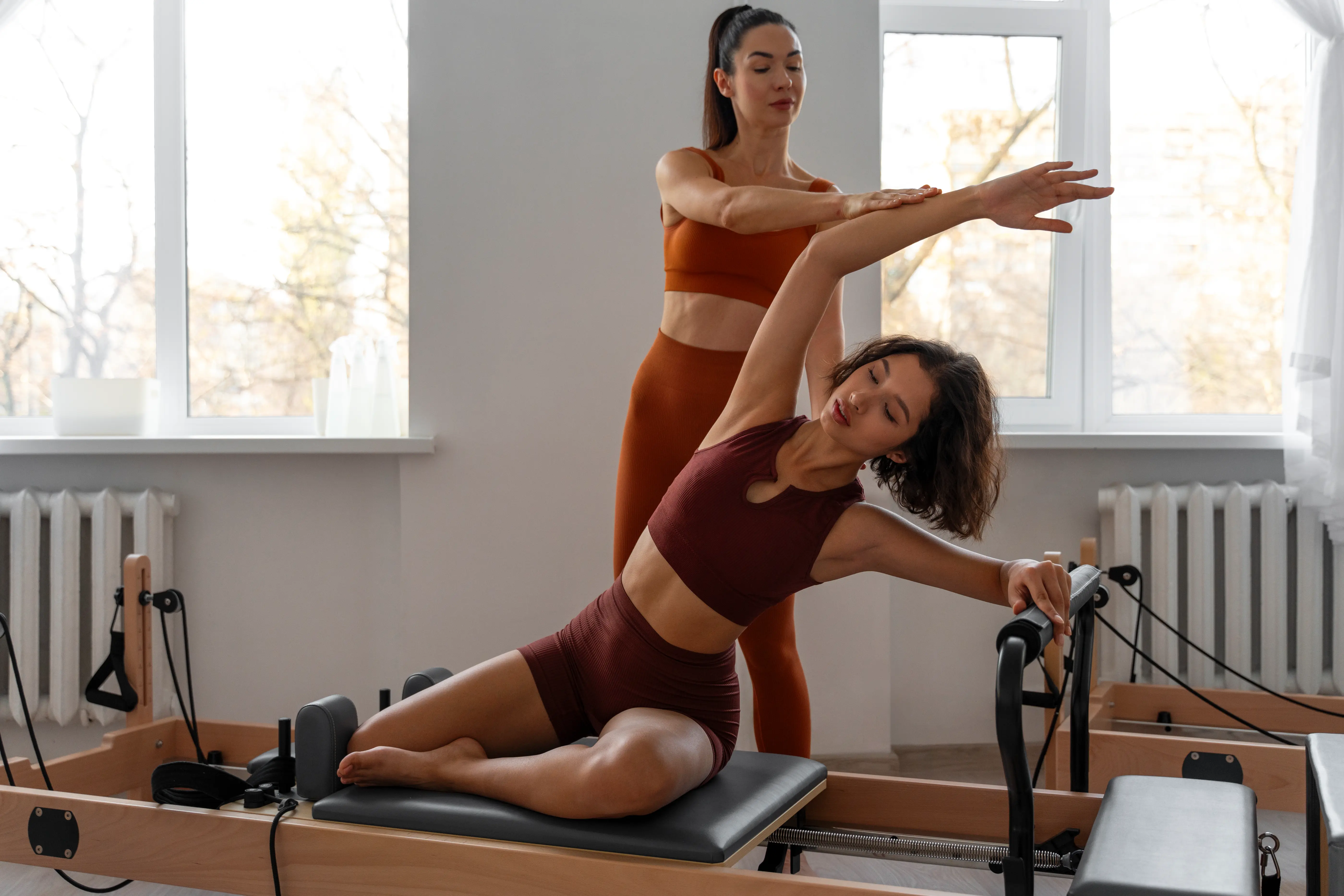
An important part of the boutique model is its ability to deliver personalized experiences. Workshops enhance this aspect by creating more room for the kind of high-touch coaching that builds loyalty.
It provides a context where instructors can:
- give more individual feedback
- track progress more closely
- build stronger relationships with participants
You could argue that this is more so in Pilates than in other fitness programs. Here, trust, quality, and personal support often shape the member experience as much as the workout itself. Many clients want guidance, not just access.
Marketing and selling Pilates workshops without adding friction
Not every workshop should be marketed to every member. A beginner reformer course, a post-natal program, and a technique-focused workshop all speak to different needs.
The more targeted your awareness campaign, the more effective it’s likely to be. Start with what you already know about your clients: the classes they attend, the stage they’re at in their practice, and the kinds of goals they’ve shown interest in.
bsport can support this through segmentation and automated outreach based on the client information stored in the platform. This helps you promote the right offer to the right people without adding manual work.
Making discovery, booking, and checkout feel seamless
The mechanics of signing up also play a role in the workshop’s success. A strong workshop offer can still underperform if the booking journey feels clunky. If clients need to chase information, wait for confirmation, or work through a confusing checkout process, some won’t complete the purchase.
A smoother experience usually includes:
- a clear description of the workshop, outcome, dates, level, and instructor
- simple upfront payment
- easy schedule visibility
- consistent confirmation and reminder communications
When booking and communication are connected, the workshop feels more polished and easier to trust.
Expanding into virtual Pilates workshops once the in-studio model is working
Once your in-studio model is working and word gets around, you may find there’s demand for virtual workshops. These can help you reach more people without needing more reformers, more space, or more timetable slots.
The virtual option is particularly suited to mat-based programs, movement education, anatomy workshops, or guided intensives that don’t rely heavily on in-studio apparatus. It can also support members who travel, live farther away, or want additional structure between in-person sessions.
The key is to expand from a proven concept. If a workshop already performs well in the studio, you have a stronger foundation for offering it online.
US Pilates studio The Shed grew from the virtual classes its owner Jane Ellington perfected during the 2020 pandemic. After opening physical premises in March 2025, the business still relies heavily on its library of 200+ online classes.
“Some members follow a hybrid workout model. They want in-person classes as well as online classes. We treat it as a supplement to coming into the studio,” Ellington says.
How can I maintain a high-touch experience in a digital format?
A virtual workshop doesn’t always mean delivering fully personalized coaching, but it does need to feel guided and intentional. There’s no reason why it can’t emulate the in-person Pilates workshop by giving members a clear structure, consistent communication, and a strong sense of support.
Online participants should know from the start what the workshop includes, how sessions will run, what level it’s designed for, and how they’ll access materials or follow-up guidance. Simple touchpoints, such as reminder emails, prep notes, post-session recaps, or suggested mat practice between sessions, can help the experience feel more connected and complete.
bsport can support that by helping studios manage access, scheduling, and communications in one place. That makes it easier to deliver virtual workshops that still feel organized and aligned with the studio experience. In short, it still feels like a premium service.
Are Pilates workshops right for your studio community?
Premium Pilates workshops can give your members a practical way to deepen their routine while giving your studio a stronger revenue mix. When they’re built around a specific concept, a clear outcome, and a well-managed experience, they can increase revenue while delivering real value to the people you serve.
bsport can take care of the operational side, helping you schedule, sell, and manage specialized workshops with less friction. It’s an elegant way to grow revenue without creating unnecessary complexity or disrupting the member experience.
Don’t let admin complexity hold back your revenue growth. Book a demo to see how bsport can help your studio schedule, sell, and manage premium workshops with less friction.