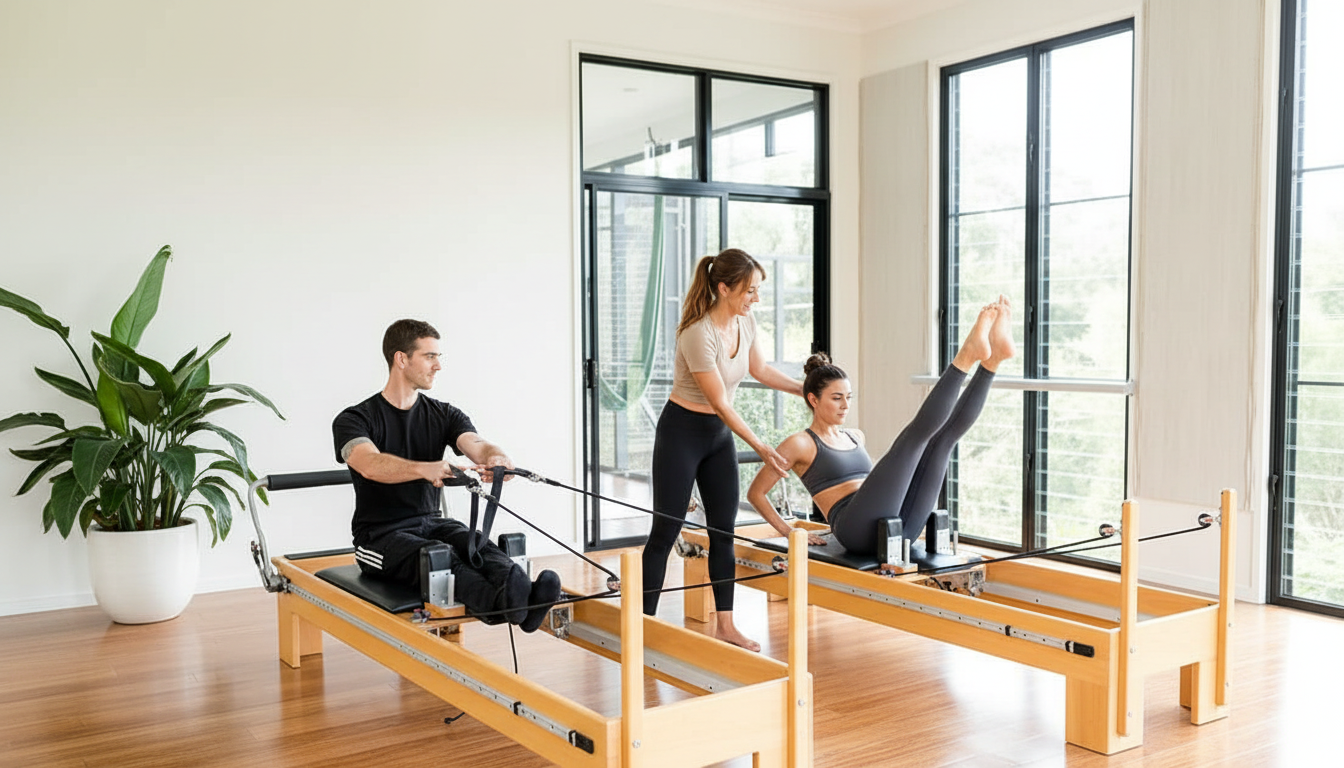
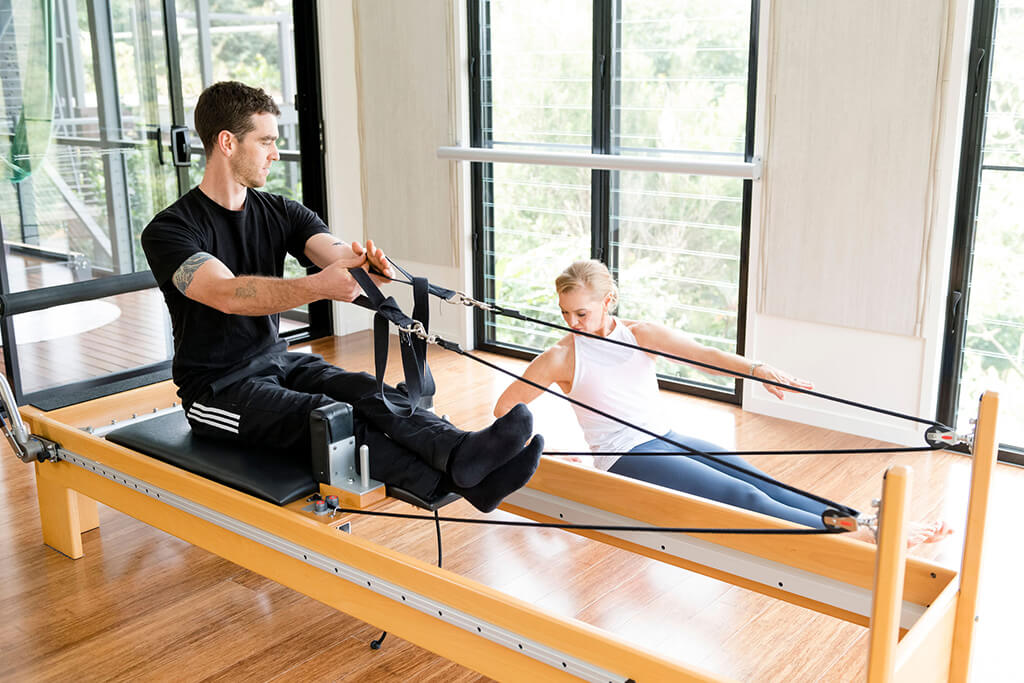

According to market data from BusinessDojo, these premium 1:1 to 1:4 formats yield the highest profit margins per hour in the Pilates industry, contributing 15% to 30% of total revenue at profitable studios. By building a structured pathway that weaves these sessions into standard membership tiers, studios unlock higher client lifetime value and stronger long-term relationships.
To prevent private sessions from cannibalizing high-demand group class slots, studios should strategically utilize mid-morning and early afternoon weekday windows to fill natural gaps in the timetable. Managing instructor time as a finite resource and establishing strict, system-enforced 24-hour cancellation policies ensures that empty reformers and idle staff hours do not drain studio profitability.
While single drop-ins offer flexibility, studios achieve better financial stability by introducing multi-session packages, mandatory introductory tracks for beginners, or premium membership tiers that include monthly private credits. Transitioning clients into a recurring weekly or biweekly private booking routine builds personal accountability, accelerates their fitness progress, and significantly reduces member churn.
Why Offer Private Pilates Sessions?
Private Pilates classes generate some of the highest revenue per hour of any service a studio can offer. Because each session is one-on-one or semi-private, there is no massive capacity ceiling to manage and no instructor attention divided across a full room. The instructor works entirely with one client, allowing for a level of tailored progression, injury accommodation, and focused attention that group classes simply cannot match.
Beyond immediate cash flow, private sessions are one of the most reliable retention tools available to a studio. Clients who book them consistently develop stronger relationships with their instructors, reach their personal goals faster, and stay members longer. In fact, market analysis by BusinessDojo confirms that these 1:1 to 1:4 formats yield the highest profit margins per hour in the industry, and studios that weave them into a structured member pathway see measurably higher lifetime value.
What Are the Average Rates for Private Pilates Sessions in the US?
Pricing for private Pilates sessions varies by location, instructor experience, and studio positioning.
According to BusinessDojo’s market analysis, a general benchmark for 2025:
- Private sessions (one-on-one, 50 to 60 minutes): $90 to $150 on average, with premium studios or highly experienced instructors charging $150 to $200 per session
- Duet or semi-private sessions (two clients): $50 to $100 per person, making them more accessible while retaining strong per-session revenue for the studio
- Group reformer classes by comparison: $25 to $85 per session, depending on class size, equipment, and market
The margin difference between a full group class and a single private session can be significant, particularly when the private session is priced to reflect the full value of undivided instructor attention and reformer apparatus access.
How to Set Prices for Private Pilates Sessions
Pricing private sessions is not just about what the market charges. It's about what your cost structure, instructor expertise, and studio positioning justify. Setting rates too low devalues the experience and creates margin problems. Setting them without context risks pricing yourself out of your local market.
Key Factors That Should Shape Your Private Session Rates
Consider each of the following before setting your rates:
- Instructor qualifications: A comprehensive Pilates certification from a recognized body, additional specialisms in rehabilitation or physical therapy, or significant teaching experience, all justify a higher session rate
- Equipment access: Sessions using the reformer, Cadillac, chair, or barrel apparatus add equipment overhead that mat-only private sessions do not carry
- Studio location and market: Urban studios in high-income areas command higher rates; smaller markets require more competitive positioning
- Positioning and demand: If your waitlist for private sessions is consistently full, your pricing is likely too low
Private Pilates Pricing Models to Consider
There is no single right model for private session pricing. The best structure depends on your client mix, your schedule, and how private sessions fit within your broader revenue strategy. Common options include:
- Single drop-in session: Full rate with no commitment, appropriate for new clients or occasional bookings
- Session packages (5 or 10 sessions): A small discount per session (10 to 15%) in exchange for upfront commitment, which improves cash flow and reduces scheduling gaps
- Intro offer: A discounted first private session to lower the barrier for new clients, particularly those coming from group classes
- Semi-private or duet sessions: Two clients sharing one instructor at a reduced per-person rate, increasing instructor yield without diluting attention significantly
- Membership tiers with private session credits: Premium membership levels that include one or two private sessions per month, building recurring private session revenue into your membership architecture
How to Communicate the Value of Your Private Pilates Classes
The price difference between a group class and a private Pilates session is significant, and clients need to understand what they are paying for. If that value is not clearly communicated, price becomes the only comparison point, and private sessions will consistently lose.
The most compelling reasons clients invest in private sessions are:
- Customized programming: Every session is built around the client's goals, current fitness level, injury history, and movement limitations, not a standardized class format
- Faster progress: Clients who receive focused attention and corrective feedback on alignment and form improve more quickly than those in a group setting
- Safety for beginners and those with injuries: Private sessions are the safest way to begin a reformer Pilates practice or return after injury, as the instructor can monitor every movement and modify in real time
- Access to the full apparatus repertoire: Reformer, Cadillac, chair, and barrel work is far more accessible in a private context, where the instructor can introduce progressions at the right pace
- Instructor expertise and undivided attention: Clients build confidence faster and develop their Pilates practice more deeply when they have a qualified instructor focused entirely on them
Train your instructors and front desk team to articulate these points naturally during onboarding conversations, not as a sales pitch, but as genuine guidance about which format serves each client's goals best.
Capacity Management and Scheduling Private Sessions
Scheduling private sessions alongside a full group class timetable is one of the more complex operational challenges a studio faces. Without a clear system, private sessions get squeezed into awkward time slots, instructors are underutilized during off-peak hours, and peak reformer availability gets cannibalised.
Fitting Private Sessions Around Your Group Schedule
Private sessions should be scheduled to fill the gaps in your group timetable, not compete with it. Off-peak windows, typically mid-morning and early afternoon on weekdays, are often underutilized and well-suited for private bookings. Reserving one or two reformers exclusively for private sessions during peak hours protects both revenue streams.