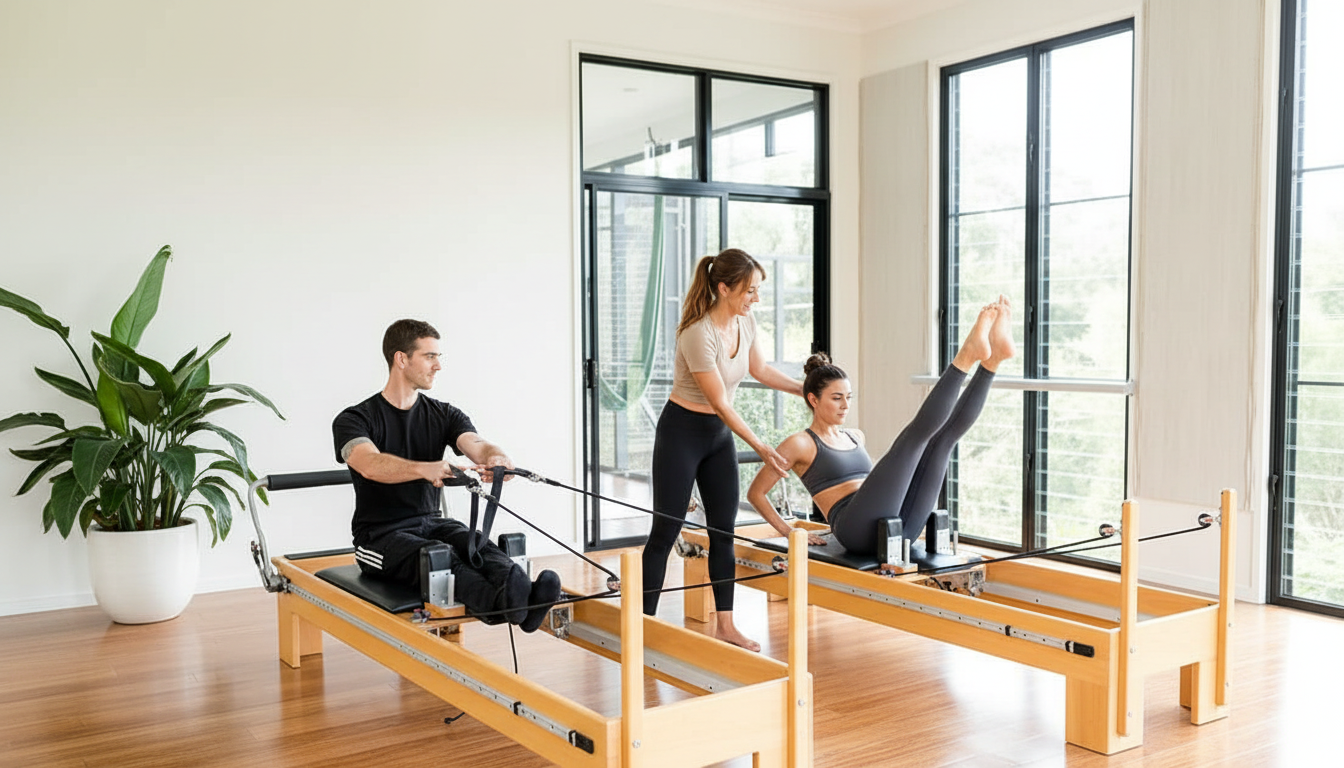
Running a boutique studio: Why details determine the success of a business


Boutique Fitness Is Booming
More and more founders and studio operators are turning to specialized concepts, clear positioning, and strong communities instead of large spaces and anonymous training environments.
But while the model is attractive, it’s also demanding in the details.
A successful boutique fitness studio doesn’t happen by chance. It’s the result of strategic positioning, clear processes, and a consistent member experience. Anyone looking to run a boutique fitness studio must understand that it’s not just about the workout—it’s about the entire experience.
In this article, you’ll learn what truly defines boutique fitness, how it differs from traditional gyms, and which factors determine long-term success.
What Defines Boutique Fitness—and Why It’s Growing
Boutique fitness stands for specialization, quality, and experience. Instead of offering a broad range of options for all audiences, boutique studios typically focus on one training method or a clearly defined concept—such as Pilates, HIIT, barre, yoga, cycling, or functional training.
Differences from Traditional Gyms
The biggest difference between a commercial gym and a boutique fitness studio lies in their approach:
- Traditional gyms focus on space, equipment variety, and low-cost memberships
- Boutique studios focus on specialization, personal attention, and community
While large gyms compete on price and volume, boutique fitness is defined by identity, atmosphere, and brand recognition. Members don’t just come to work out—they come for the feeling of belonging.
Pricing structures also differ. Boutique studios often charge higher prices but offer smaller groups, curated schedules, and more personalized coaching—resulting in higher revenue per member.
The Importance of Experience, Community, and Brand Identity
In boutique fitness, experience drives loyalty. From the first website visit to booking and check-in, everything must feel consistent.
A strong brand identity ensures your studio stands out. Colors, tone of voice, space design, music, and instructor presence all contribute to a cohesive image.
Community is just as important. Studios that create real connections between members significantly increase long-term retention. Boutique fitness is growing because people are looking for more than just equipment—they want guidance, belonging, and quality.
Positioning Your Boutique Fitness Studio for Success
Anyone looking to run a boutique studio must first focus on positioning. Without clear direction, even the best concept becomes diluted.
Define Your Target Audience and Understand Their Expectations
A boutique studio only works if you deeply understand your audience. Ask yourself:
- What age group are you targeting?
- What are your members’ fitness goals?
- What values do they share?
- How much are they willing to spend?
The more precise your target audience, the clearer your offer, pricing, and communication will be. Boutique fitness thrives on relevance—trying to appeal to everyone weakens your positioning.
Develop Your Concept, Offer, and Studio Identity
Your training concept must be consistent and structured. It’s not just about naming classes—it’s about building a system:
- Are there beginner programs?
- How do you structure progression?
- Do you offer personal training or workshops?
Your digital presence is also part of your positioning. A professional website isn’t optional—it’s a key touchpoint. Your website, booking system, and communication should reflect the same clarity as your in-studio experience.
Operational Foundations for a Successful Studio
A boutique studio thrives on atmosphere—but behind the scenes, structure determines success.
Establish Structured Daily Operations
Clear processes support your team and ensure consistency. This includes:
- Standardized onboarding for new members
- Clear check-in routines
- Transparent cancellation policies
- Consistent communication
Without structure, chaos emerges—and chaos directly impacts the member experience.
An all-in-one studio management platform can be a game changer. When booking, member management, payments, and website integration are connected, friction is reduced, saving time and minimizing errors.
Member Management, Scheduling, and Organization
A well-run boutique studio requires visibility:
- What is the occupancy rate of each class?
- Which time slots are most popular?
- Which members attend regularly—and which don’t?
These insights are essential. They form the foundation for strategic decisions. Clear dashboards and meaningful data help you identify trends early and adjust your offering accordingly.
In a fast-evolving boutique fitness market, data-driven decisions are a real competitive advantage.
Member Experience as a Key Success Factor
The member experience starts long before the first workout and doesn’t end after the last rep.
Creating Atmosphere, Community, and Consistency
Boutique studios succeed through attention to detail:
- Friendly check-in experience
- Clean, thoughtfully designed spaces
- High-quality equipment
- Clear communication
Consistency is crucial. Members expect reliability. If your studio feels premium one day and chaotic the next, trust is lost.
Community is built through recurring rituals, events, or challenges—and through digital touchpoints like apps where members can book classes, track progress, and stay connected.
Use Feedback and Continuously Improve
Successful studios listen.
Regular surveys, conversations, and attendance data provide valuable insights. Members may want new time slots or additional workshops.
Taking feedback seriously—and communicating transparently—strengthens retention.
Building Sustainable Growth in Boutique Fitness
Many founders ask: how profitable is a boutique fitness studio?
The answer depends on location, pricing, and occupancy. Higher prices per member and smaller groups can lead to strong margins—but fixed costs like rent and staffing remain significant.
What matters most is solid financial planning and stable occupancy.
Scaling Without Losing Quality
Growth should never come at the expense of experience. Expanding to a second location or adding more classes requires clear processes.
Scalability comes from:
- Standardized operations
- Clear KPIs
- Consistent brand identity
- Centralized systems
The clearer your structure, the easier it is to grow without losing your identity.
Clear Processes as the Foundation for Long-Term Success
Boutique fitness is driven by personality—but personality alone isn’t enough.
Long-term success happens when vision meets structure. An integrated platform that connects bookings, app, website, and member management creates clarity and efficiency.
This frees up time to focus on what really matters: training, community, and personalized support.
Conclusion
Successfully running a boutique fitness studio means paying attention to every detail. From positioning and operations to member experience, every element contributes to your success.
Boutique fitness is more than a trend—it’s a promise of quality. Studios that build clear structures, understand their audience, and prioritize experience can achieve sustainable growth.
A successful boutique fitness studio is built on strong experiences and clear processes.
Discover how bsport helps studios grow sustainably.