
The right mats, props, and accessories make your space feel more accessible, consistent, and comfortable from the first visit
Rentals, retail sales, inventory, class capacity, and room layout all need simple systems behind them so your team can stay focused on members, not admin.
When your physical space and operating system work together, you can protect the calm, community-driven experience that keeps members coming back.
Curate the ultimate yoga studio equipment list
Your selection of equipment shapes how much people enjoy your classes from the moment they step onto the mat. It signals the kind of practice and community your studio is built around.
However, for many yoga studio owners, the challenge is deciding what’s truly essential. You want enough equipment to cater to different body types and experience levels without overcrowding your space or overspending before demand is clear.
Plan equipment around your class formats
Start with the basics that affect nearly every class: mats, blocks, straps, blankets, bolsters, towels, and storage. From there, build around the specific formats your instructors teach most often.
- A studio centered on restorative yoga will typically need more bolsters, blankets, eye pillows, and meditation cushions.
- A hot yoga studio may need more towels, stronger ventilation, and cleaning workflows that can keep up with sweat-heavy classes.
- A mobility-focused studio may benefit from yoga wheels, straps, and kneepad cushions.
This keeps your equipment list practical. There's no need to buy every possible prop at once. Just choose the yoga supplies required for the experience your members actually come for.
Select premium mats and props for your community
Yoga mats are one of the most important purchases you’ll make. They affect grip, cushioning, hygiene, and how grounded students feel during practice. Durable studio mats also hold up better under frequent use, cleaning, and rental rotation.
Look for mats that offer:
- Reliable grip: This matters for standing poses, transitions, and any class where sweat may affect stability.
- Enough cushioning: Students need support for wrists, knees, and hips without feeling unstable.
- Easy cleaning: Studio mats should be simple to sanitize between classes.
- Durable materials: Investing in higher-quality mats can reduce replacement costs over time.
You may also want different mat options for different class types. For example, hot yoga classes often benefit from mats or yoga towels designed to handle sweat and traction. Gentle or restorative yoga classes may require thicker mats, specific blocks, extra blankets, or additional bolsters for support.
Here’s how a detailed approach to these pieces makes a difference:
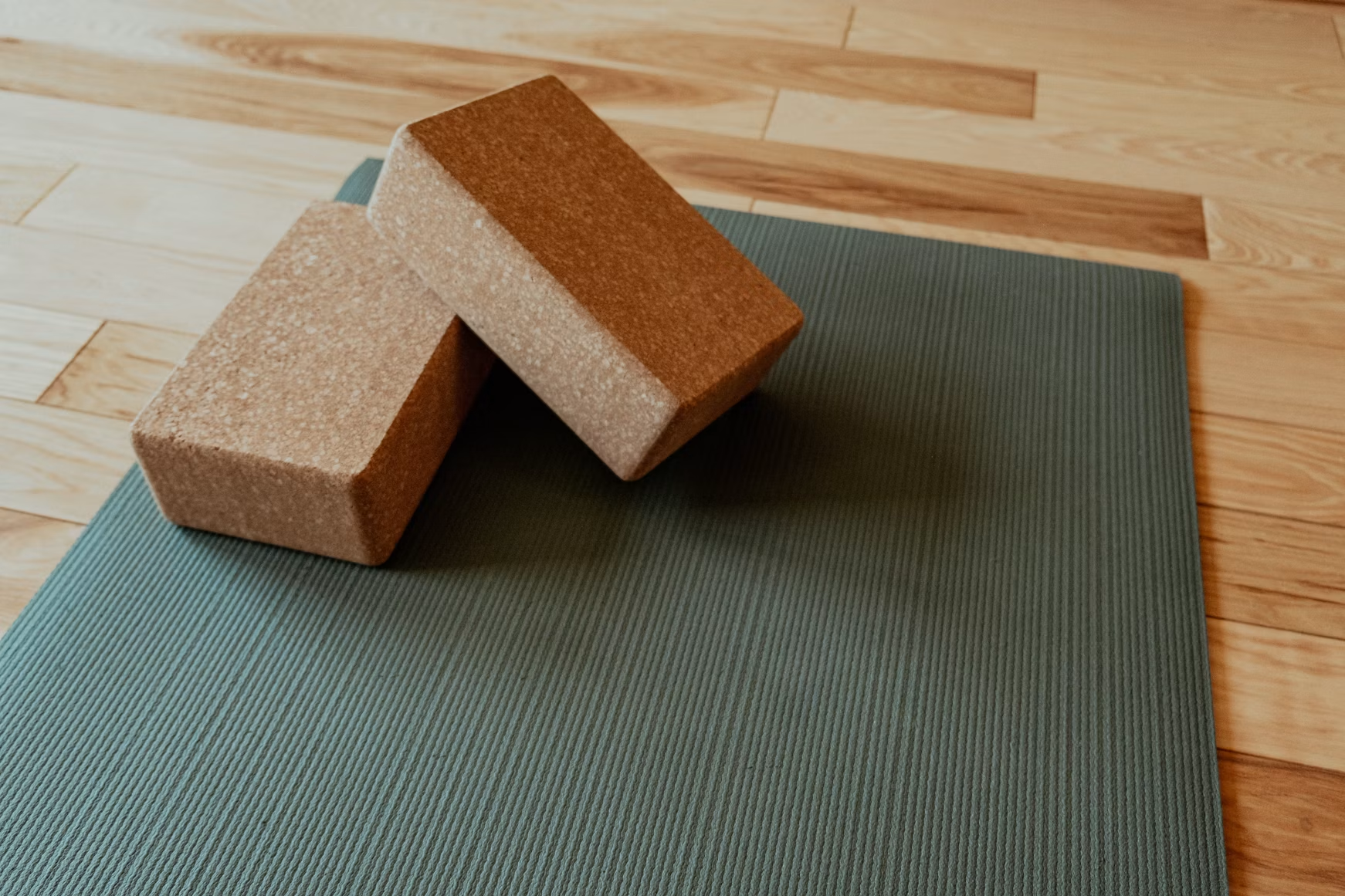
- Blocks - cork blocks tend to feel sturdy and premium, while foam blocks are lighter and softer for beginners or restorative poses. Many studios stock both, so instructors can adapt support based on the student, posture, and class format.
- Yoga straps - these help students access certain poses safely without forcing their range of motion. They’re especially helpful for hamstring stretches, shoulder mobility, seated forward folds, and alignment-focused classes. Yoga straps are also useful for beginners, helping them feel included when they’re still building flexibility.
- Bolsters and blankets - often considered must-haves for restorative yoga, prenatal classes, meditation, and savasana. They help the body settle, reduce unnecessary tension, and make longer-held poses more accessible. A yoga blanket can support knees, hips, shoulders, or the head, while bolsters provide deeper comfort during relaxation and supported stretches.
Together, these basics help instructors offer modifications, ensure proper alignment, and make classes feel accessible without interrupting the flow of practice.
Revenue from equipment rentals
Equipment inventory can drive a useful additional revenue stream too, and is easy to manage with the right system. Premium mat, towel, or prop rentals work especially well when the process is quick and simple. With bsport, members can easily add a mat rental, towel rental, or water bottle to their cart when they book their class through your branded mobile app. It's a simple way to monetize yoga supplies without slowing down check-in.
Manage rentals, retail, and inventory in the same system that runs your bookings and payments, so nothing falls through the cracks.
Stock up on essential yoga studio accessories
Once your core mats and yoga props are in place, think about the smaller accessories that complete the experience. These details often make the space feel more prepared, polished, and welcoming.
Useful yoga studio accessories may include:
- Yoga towels: Essential for hot yoga, sweaty vinyasa classes, and mat hygiene.
- Eye pillows: A simple way to promote relaxation during savasana, meditation, or restorative yoga.
- Cleaning supplies: Mat sprays, wipes, microfiber cloths, and laundry systems help keep shared equipment fresh.
- Storage solutions: Shelving, cubbies, baskets, and prop walls keep the studio tidy and easy to reset between classes.
- Water bottles: Hydration contributes to member wellness, and with branded bottles, you create a subtle retail opportunity.
- Grip socks or studio socks: Useful for hybrid yoga, barre, Pilates, or wellness concepts that share space or programming.
- Essential oils: These contribute to a welcoming atmosphere when used carefully, though you’ll want to consider allergies, ventilation, and member preferences.
Depending on your class formats, you may also want to keep a small selection of specialty props on hand.
- Yoga wheels support backbends and mobility-focused classes
- Sandbags can add grounding pressure during restorative yoga
- Meditation cushions help students sit more comfortably during breathwork or mindfulness sessions
- Kneepad cushions provide extra comfort in low lunges or kneeling poses.
If you plan to offer aerial yoga or swing-based classes, treat that equipment as a separate safety decision rather than a casual add-on. You’ll need the right installation, instructor training, and clear class descriptions so members understand the format before they book.
Stock with intention. Accessories should solve real needs, improve comfort, or make the member journey smoother without making the studio feel cluttered.
If you offer beginner kits, keep them simple. A mat, towel, strap, and water bottle can help new students feel prepared, while also giving members an easy way to maintain their home practice.
Manage your physical assets and studio inventory
Once you invest in yoga studio equipment, you need a way to manage it. Many of these items and accessories are highly portable and move through your studio constantly. Without a clear system, it’s easy to lose track of what’s available, what needs cleaning, what has sold, and what should be reordered.
This is where the operational side of the member experience becomes visible. Members are quick to notice if there aren’t enough clean towels, if a rental slows down check-in, or if there isn't enough equipment for all class participants to practice the same moves.
Track retail sales and equipment rentals in one place
Wellness studios can boost revenue by up to 3% with retail sales and rentals, according to the International Health, Racquet & Sportsclub Association (IHRSA).
That might not sound like much, but for specialized studios, the median margin for that business line is 20%, which makes it a valuable contributor to your finances.
However, to maximize that incremental revenue it’s important to track what’s in stock, what’s selling, what’s being rented, and what needs replenishing.
bsport’s integrated point-of-sale and inventory management features help yoga studios handle accessory sales and equipment rentals within the same operating system that manages bookings and payments.
This helps your staff process such transactions quickly, especially during busy class windows.
Align your class capacity with available equipment
Class capacity isn’t just a matter of square footage. It also depends on how much equipment you have, how much space students need to move safely, and what kind of yoga practice is being taught.
As a simple planning rule, match equipment quantities to your realistic class capacity, then add a small buffer. If your room comfortably holds 20 students, you may want at least 20 mats, 40 yoga blocks, 20 straps, and extra blankets or bolsters based on the classes you teach most often.
Before setting class capacity, consider:
- How many mats fit comfortably in the room
- Whether students need extra space for props
- How instructors move through the class
- How much equipment is available for each student
- Whether rentals are included or optional
- How long it takes to reset the room
- Whether beginners need more setup guidance
Overfilling a class can affect comfort, safety, and the overall feeling of the studio. It can also put pressure on instructors, especially when they’re trying to offer hands-on guidance or orient members in proper alignment.
bsport’s spot-booking feature allows members to reserve a specific mat space in the room, helping your studio manage capacity around the actual layout instead of a rough headcount. If a class needs more room for blankets and bolsters, you can adjust the system settings accordingly.
Getting the studio atmosphere right
Your studio atmosphere is part of the product, and part of what turns a first visit into a routine.
Lighting, sound, scent, temperature, reception flow, and space all shape how students feel before, during, and after class, and help you transmit community value to your membership.
Invest in high-quality audio and lighting systems
Audio plays a major role in many yoga classes. Even in quieter formats, students need to hear the instructor clearly. In more dynamic classes, music can help create rhythm, energy, and flow.
A reliable sound system should enable:
- Clear instructor cues
- Balanced music volume
- Even sound throughout the room
- Easy setup for instructors
- Minimal technical troubleshooting
- Compatibility with your preferred devices or playlists
A small signal delay, a crackling speaker, or uneven volume can interrupt the calm you’re working to build.
Lighting deserves the same attention. Different class styles need different moods:
- Morning flow may benefit from bright, natural light.
- Restorative yoga, meditation, or evening classes may feel better with dimmable lighting and a softer tone.
- Hot yoga may require lighting that ups the energy without making the room feel harsh.
Choose lighting that can adapt across your schedule. Adjustable settings give instructors more control over the atmosphere and help your studio deliver a wider range of class experiences.
Temperature control is also important. Hot yoga classes require reliable heating and ventilation. Slower classes need comfort without stuffiness. Members may not comment when the room feels right, but they’ll often remember when it doesn’t.
Design a welcoming reception and community space
Your reception area sets the tone before class begins. It should feel calm and well-organized, so members know where to check in, store belongings, find props, and wait before entering the studio.
Consider adding:
- Comfortable seating
- Clear signage
- Retail displays that don’t overcrowd the space
- Cubbies or storage
- A water station
- Soft lighting
- Community boards
- Space for members to talk before or after class
When well-designed, this area can strengthen the sense of community without adding friction. Members may arrive early, chat after class, browse yoga accessories, or ask instructors about their practice.
The challenge is keeping the space relaxed while still handling check-in, rentals, retail, and first-visit questions. bsport’s self-check-in features, available through the app or tablet kiosks, help reduce front-desk pressure so your team can focus on welcoming members and maintaining the calm flow of the space.
Build a fully equipped and efficiently run yoga space
The initial investment in physical equipment and decor is relatively stable. Your operational backend, however, has to manage variables like attendance, bookings, rentals, inventory, and check-in. To deliver a consistent member experience, your physical assets and operational flow need to work together.
As an experience-led yoga studio operating system, bsport supports class-based memberships, community-driven retention, retail, rentals, inventory, booking, and self-check-in in one connected platform.
For single studios, that means less admin and more headspace to focus on your community. For multi-location brands, it means more consistency and control as your concept grows.
Help instructors use equipment consistently
Once new equipment enters the studio, make sure instructors know how and when to use it. A premium bolster, block, or strap only improves the experience when teachers can cue it clearly, offer modifications, and help students feel confident using it.
This is especially important for beginners, who may feel unsure about props at first. Simple instructor guidance can turn equipment from an intimidating extra into a helpful part of the practice.
Consistency matters here. When instructors use props in a clear, supportive way, students get a more reliable experience across classes, teachers, and locations.
Support your members and their yoga journey with optimum equipment
The best yoga studio equipment supports each participant's body, and the best studio management systems support the experience around the classes. When both work together, your space feels calm, prepared, and easy to return to.
Ensure your physical space and operational backend are perfectly aligned. Book a demo to see how bsport’s experience-led software helps you manage inventory, simplify rentals, and grow your yoga community.


.jpg)